Natural Stone Benefits, Applications, Types and Design Ideas
In modern architecture, materials do more than complete a building. They define its character, influence its durability, and shape the experience of a space. Natural stone has remained a preferred choice for centuries because it brings together timeless beauty, distinctive patterns, and practical performance.
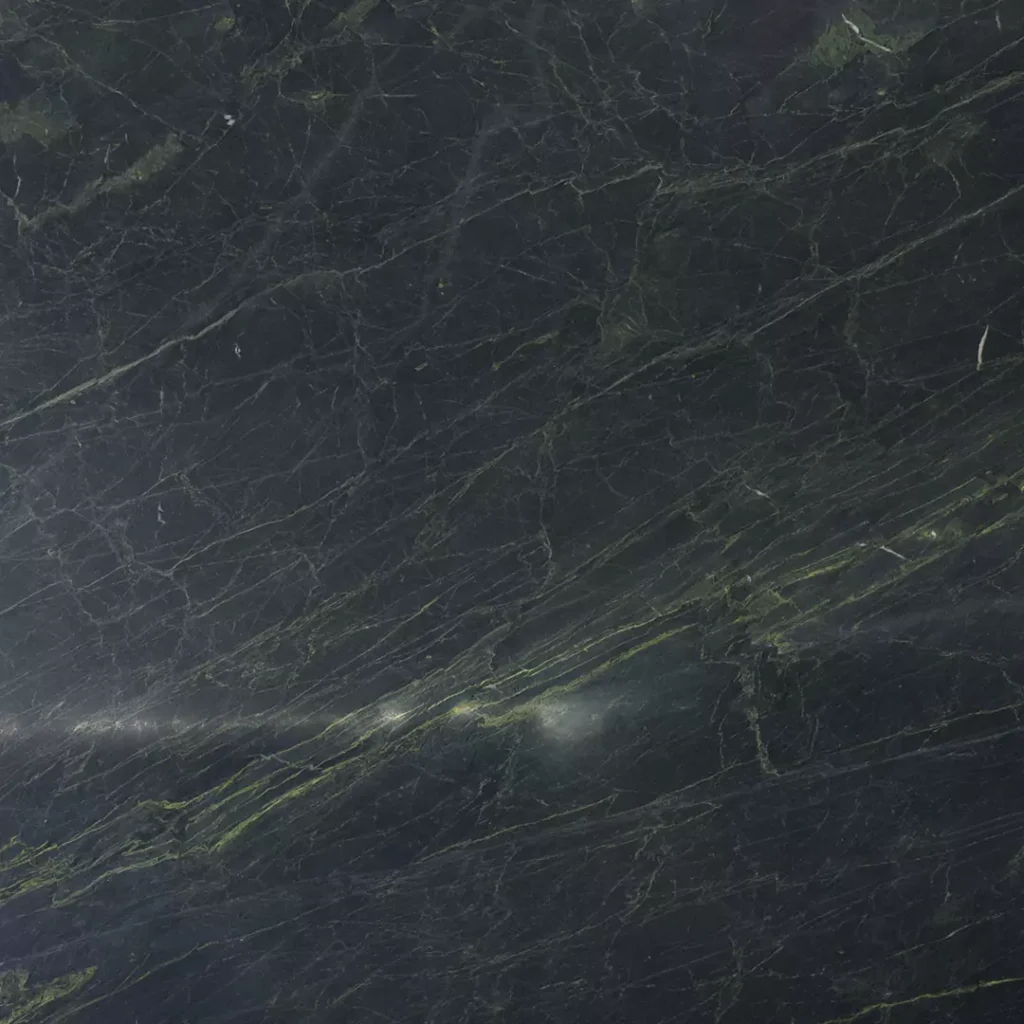
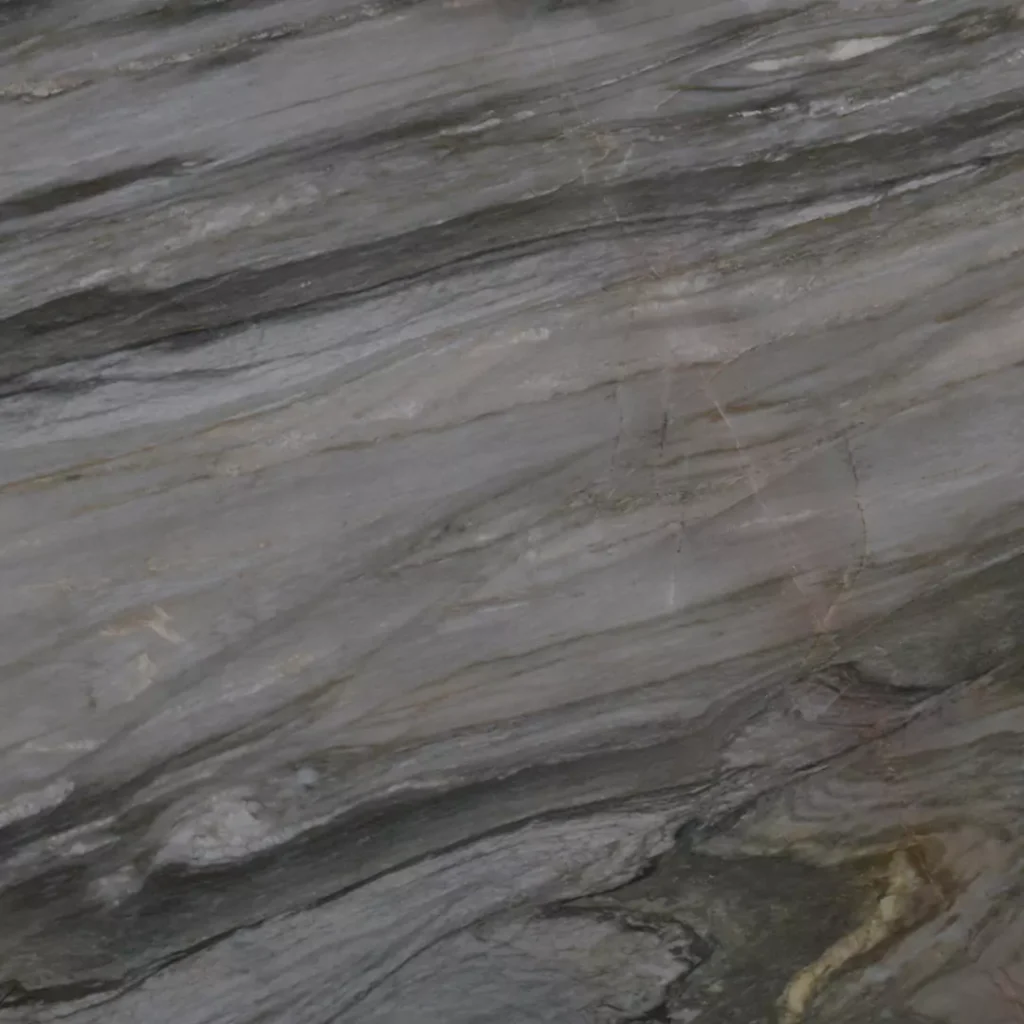
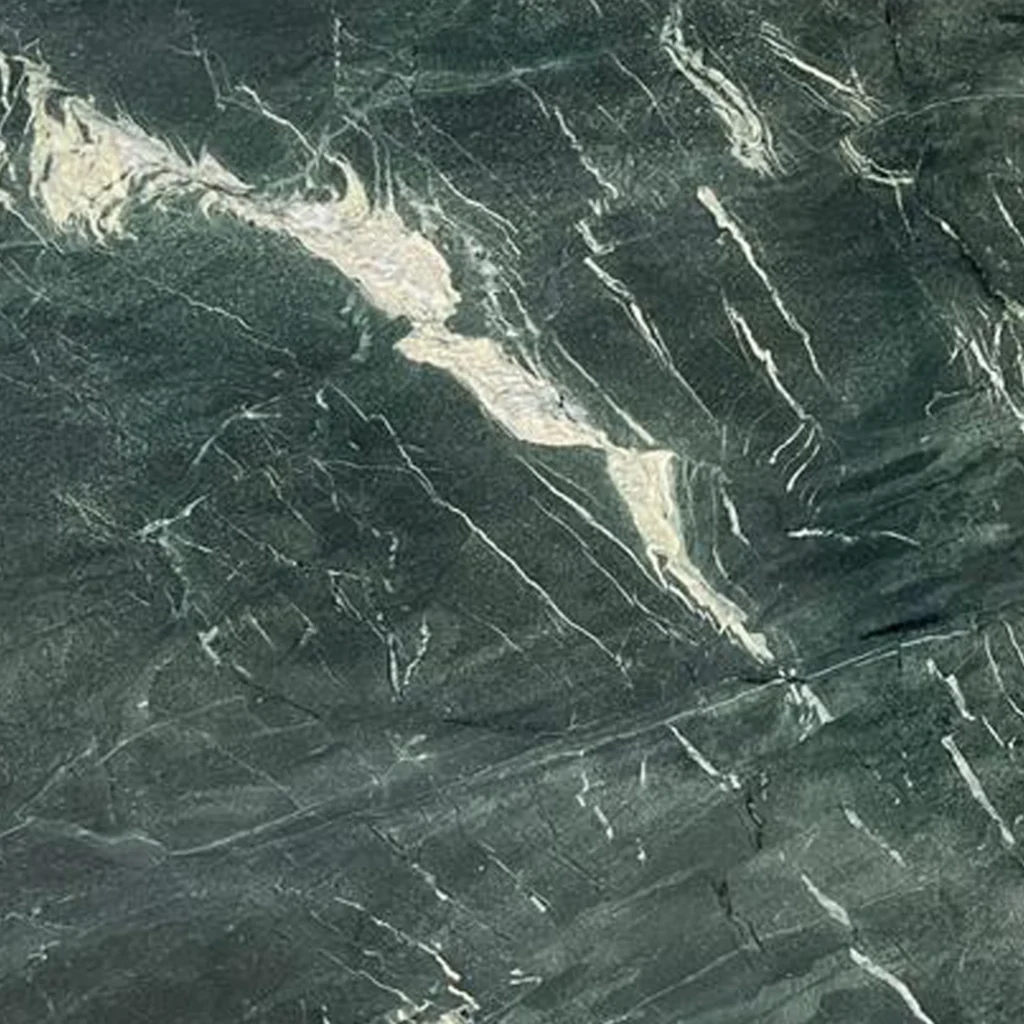
From luxurious hotel lobbies and elegant residential interiors to commercial buildings and contemporary architectural projects, natural stones offer design possibilities that few materials can replicate. Every slab carries its own natural colours, veins, textures, and mineral formations, making each installation visually unique.
Natural stone is a durable, versatile, and naturally distinctive building material that can enhance the appearance and long-term value of interiors and exteriors. Depending on the stone type, finish, installation, and maintenance, it can be used for flooring, wall cladding, countertops, staircases, tabletops, and decorative architectural features.
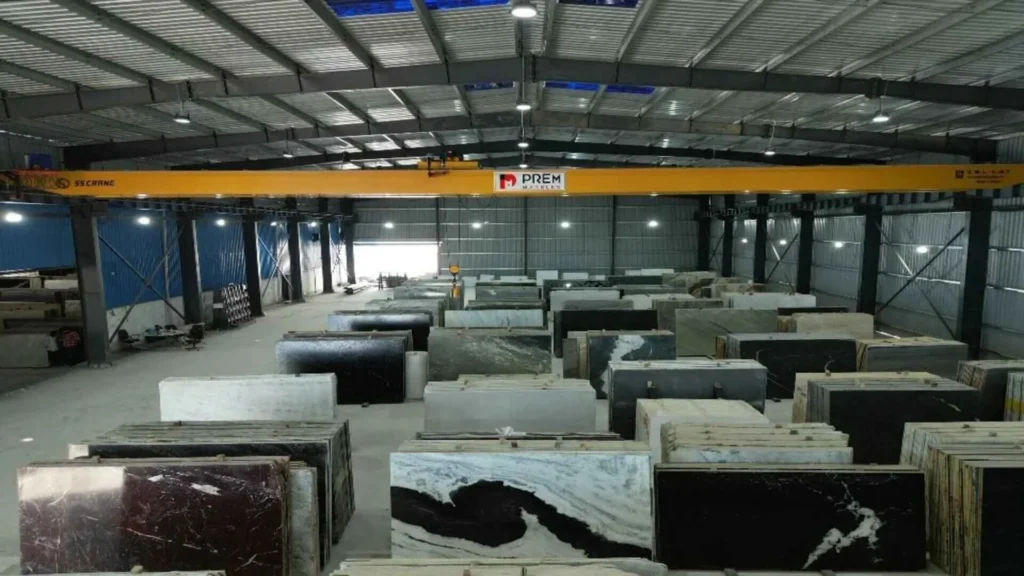
At Prem Marbles Pvt. Ltd., a marble manufacturer and exporter since 1983, we believe that the right natural stone can transform an ordinary space into an extraordinary architectural experience.
What Is Natural Stone?
Natural stone is a material extracted from the earth and processed into usable forms such as blocks, slabs, tiles, and custom-cut pieces. It develops through geological processes over thousands or millions of years, creating distinctive colours, textures, and mineral patterns.
Popular natural stone varieties include marble, granite, quartzite, travertine, limestone, and onyx. Each type has different physical properties, making it suitable for specific applications.
For example, marble is widely appreciated for its elegant veining and premium appearance, while granite is commonly selected for its hardness and resistance to everyday wear. Quartzite can offer a combination of distinctive aesthetics and high hardness, depending on the variety.
Explore the Natural Stone Collection by Prem Marbles to discover a range of natural colours, patterns, and finishes for architectural and interior design projects.
8 Major Benefits of Natural Stone in Modern Architecture
1. Timeless Beauty and Unique Natural Patterns
One of the biggest benefits of natural stone is its individuality. Unlike materials manufactured with repeating printed patterns, natural stone develops its appearance through geological processes.
The result is a remarkable range of veins, mineral formations, colour variations, and textures. No two slabs of the same natural stone are guaranteed to look exactly alike.
Architects and interior designers can use these natural variations to create feature walls, statement flooring, luxury bathrooms, reception areas, and distinctive living spaces.
Whether you prefer the sophisticated appearance of dark stone, the brightness of white marble, or the character of green and golden patterns, natural stone provides design possibilities for many architectural styles.
2. Durability for Long-Term Use
Supporting Source – https://www.naturalstoneinstitute.org/consumers/sustainable-natural-stone/?
Natural stone can provide excellent durability when the right variety is selected for the intended application.
Granite and many quartzites are well suited to demanding surfaces because of their hardness. Marble can perform beautifully in flooring, wall cladding, and decorative applications when properly installed and maintained.
The key is to match the material to the environment. A stone suitable for a decorative wall may not be the best choice for a heavily used kitchen countertop or an outdoor area exposed to extreme weather.
Proper installation, appropriate sealing where required, and regular maintenance help protect natural stone and preserve its appearance over time.
3. A Premium Appearance That Elevates Property Design
Natural stone is frequently associated with premium residential and commercial spaces because of its depth, texture, and authentic appearance.
It can make a strong visual impression in:
- Luxury homes and villas
- Five-star hotels and resorts
- Corporate offices and reception areas
- Retail showrooms and commercial developments
- High-end apartments and hospitality projects
Stone flooring can create a sense of continuity, while a carefully selected feature slab can become the focal point of a room. Natural stone tabletops, vanity counters, and wall panels can further enhance the overall design.
For developers and property owners, a thoughtfully specified stone finish can contribute to the perceived quality of a space. Actual property value, however, depends on many factors beyond the material itself.
4. Versatility Across Different Applications
Natural stone is not limited to flooring or traditional construction. Its wide variety of colours, thicknesses, finishes, and fabrication possibilities makes it useful in numerous design applications.
Common uses include:
- Flooring: Create elegant and visually continuous interiors.
- Wall cladding: Add depth and texture to interior and exterior walls.
- Countertops: Choose suitable stone varieties for kitchens, bathrooms, and work surfaces.
- Staircases: Create durable, coordinated architectural elements.
- Tabletops: Introduce natural patterns into dining tables, coffee tables, and furniture.
- Feature walls: Highlight fireplaces, reception desks, and living room backdrops.
- Landscape design: Use suitable stone for selected outdoor features, paving, and garden elements.
The right choice depends on the stone’s physical properties, the finish, the environmental conditions, and the intended use.
5. A Long Service Life and Potential Sustainability Benefits
Natural stone can be a long-lasting material, which may reduce the need for frequent replacement when it is selected and maintained appropriately.
Its sustainability profile depends on several factors, including quarrying practices, processing methods, transportation distance, installation, and end-of-life reuse.
Some stone installations can also be repaired, refinished, or repurposed rather than replaced entirely. This can extend their useful life and reduce material waste.
For environmentally conscious projects, architects and developers should evaluate the complete lifecycle of the stone and request relevant sourcing or environmental documentation from suppliers.
Natural stone is not automatically the most sustainable option in every situation, but responsible sourcing and long-term use can make it a valuable part of considered material selection.
6. A Wide Choice of Colours and Finishes
Visit – https://premmarbles.com/natural-stones/ to checkout the range.
Natural stone allows designers to work with a broad visual palette, from subtle neutrals to dramatic statement colours.
White and beige stones can help create bright, understated interiors. Grey and black stones can introduce contrast and contemporary character. Green, blue, and golden varieties can add a distinctive visual identity to feature areas.
Finishes also influence the final result:
- Polished: Provides a smooth, reflective appearance.
- Honed or matte: Offers a softer, less reflective surface.
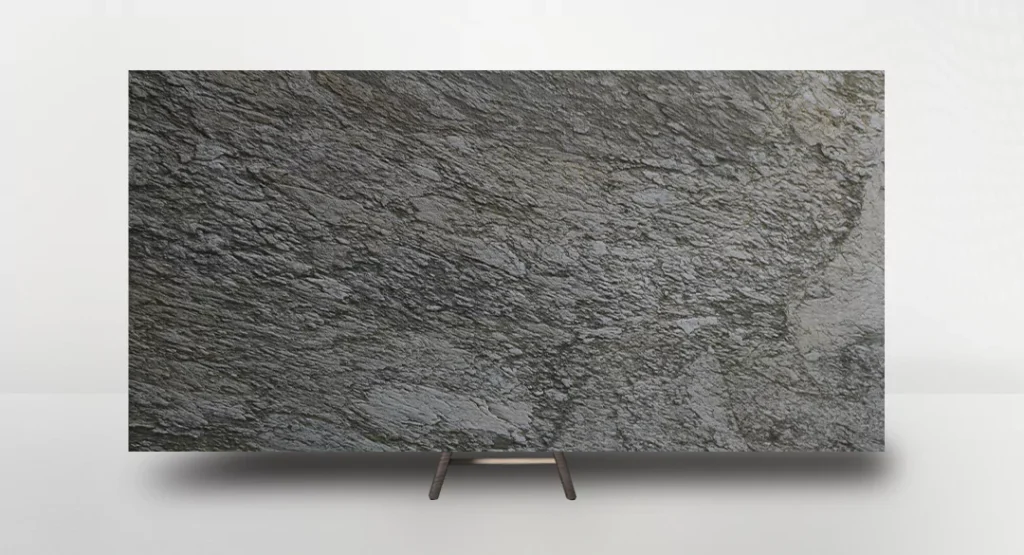
- Leathered: Creates a tactile surface with a textured appearance.
- Antique: Adds a more aged or characterful finish.
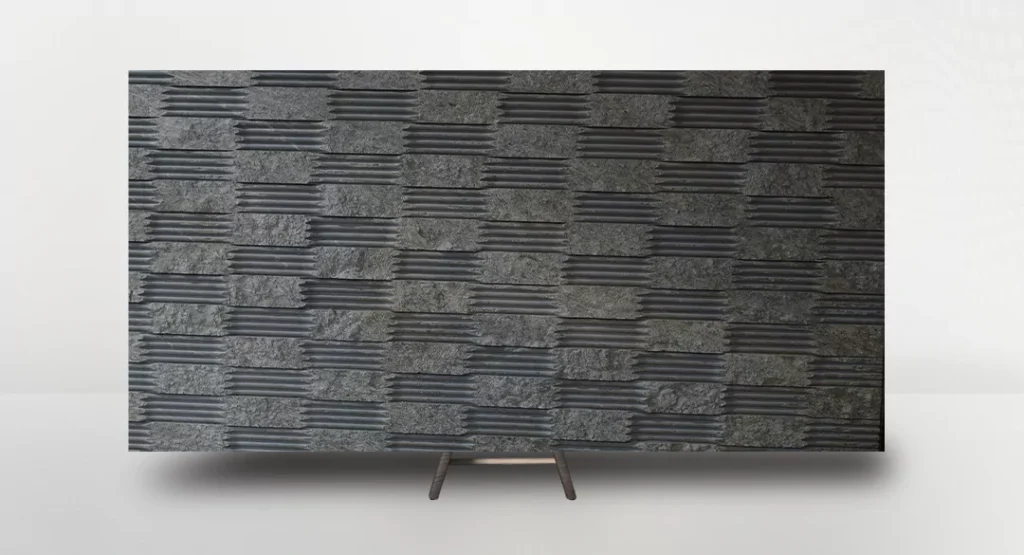
- Specialty textured finishes: Can introduce additional depth and visual interest.
Not every finish is available or suitable for every stone. The final choice should consider slip resistance, cleaning requirements, exposure, and the overall design concept.
7. Natural Variation for Bespoke Design
Natural stone gives architects and designers the freedom to create installations that feel individual rather than repetitive.
Bookmatching selected slabs, coordinating veining across surfaces, combining contrasting stone colours, and using custom-cut pieces can turn the material into a central design feature.
For example, a dramatic black slab can anchor a minimalist reception area, while a green stone can introduce a nature-inspired accent into a contemporary interior.
Large-format slabs may also help reduce the number of visible joints in certain installations, subject to slab dimensions, structural requirements, fabrication, and installation constraints.
For projects requiring a consistent visual flow, it is important to review actual slabs and plan their placement before fabrication.
8. Easy Maintenance When the Right Stone Is Chosen
Natural stone maintenance is straightforward when cleaning practices are matched to the material.
Routine care generally includes removing dust, cleaning spills promptly, and using a suitable pH-neutral cleaner. Certain stones benefit from periodic sealing, but sealing requirements vary by stone type, finish, porosity, and application.
Marble and other calcium-based stones can be sensitive to acidic substances such as lemon juice, vinegar, and some bathroom cleaners. These can cause etching or surface dullness, even when the stone has been sealed.
Granite and quartzite may be more suitable for certain high-use surfaces, but their performance still depends on the specific material and installation.
Following the supplier’s care recommendations helps maintain the stone’s appearance and service life.
Which Natural Stone Is Best for Your Project?
There is no single natural stone that is best for every project. The ideal choice depends on appearance, expected use, maintenance, budget, and environmental exposure.
| Natural stone | Key characteristics | Common applications |
| Marble | Elegant veining and refined appearance | Flooring, walls, vanities, tabletops |
| Granite | Hardness and good wear resistance | Countertops, flooring, selected outdoor uses |
| Quartzite | Often high hardness with distinctive patterns | Feature walls, countertops, flooring |
| Travertine | Characteristic pores and earthy tones | Flooring, wall cladding, selected outdoor areas |
| Limestone | Subtle colours and understated texture | Walls, flooring, architectural detailing |
| Onyx | Striking patterns and potential translucency | Decorative walls, feature panels, statement interiors |
Important: Suitability varies within each stone category. Confirm technical properties, finish, sealing requirements, and intended application before purchasing.
Natural Stone vs Artificial Surface Materials: What Is the Difference?
Natural stone and engineered or manufactured surfaces serve different design and performance needs.
Natural stone is valued for its geological origin, individual patterns, and material character. Manufactured surfaces may offer more controlled pattern consistency and product-specific performance characteristics.
The best choice depends on the project rather than on a universal claim that one material is always better.
Consider natural stone if your priorities include authentic geological patterns, material individuality, and the possibility of creating distinctive slab layouts. Compare technical specifications, maintenance, availability, and lifecycle considerations before making a final decision.
How to Choose the Right Natural Stone for Your Project
Before finalising a natural stone, architects, interior designers, builders, and buyers should consider the following factors:
- Application: Determine whether the stone will be used for flooring, walls, countertops, furniture, or exterior work.
- Performance: Check hardness, porosity, stain sensitivity, weather resistance, and slip resistance where relevant.
- Appearance: Review actual slabs for colour, veining, movement, and natural variation.
- Finish: Select a finish that suits the design and the practical requirements of the space.
- Maintenance: Understand the cleaning, sealing, and care requirements before installation.
- Availability: For larger projects, confirm slab dimensions, quantities, batch consistency, and future supply needs.
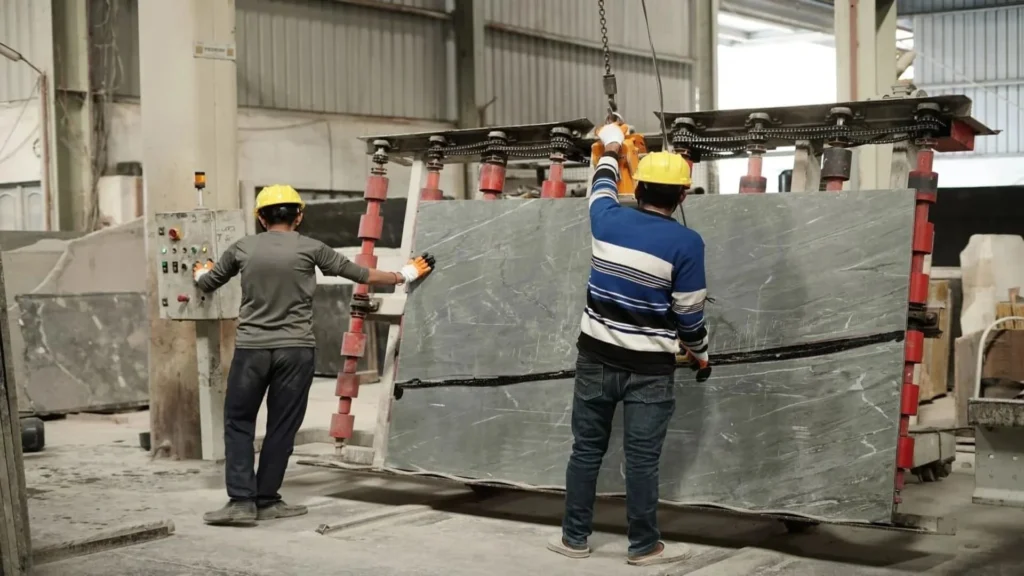
- Supplier capability: Ask about material specifications, processing options, quality checks, packaging, and export requirements if applicable.
For commercial and international projects, requesting slab photographs, samples where available, and clear product specifications can help buyers make more informed decisions.
Discover Premium Natural Stones at Prem Marbles
Choosing the right stone begins with finding a collection that offers the colours, patterns, and finishes that fit your design vision.
Prem Marbles Pvt. Ltd. brings more than four decades of experience in the marble and natural stone industry, with a collection that includes distinctive options such as Marine Black, Marine Beige, Apple Green, Ocean Green, Opal White, Sienna Black, Sienna Gold, and other natural stone varieties.
Our collection serves as a starting point for architects, interior designers, builders, marble importers, and project buyers looking for natural stone options for residential and commercial spaces.
Explore our Premium Natural Stones Collection to discover available varieties and find inspiration for your next project.
For product details, availability, pricing, and project requirements, contact the Prem Marbles team at stone@premmarbles.com or call +91 88904 73333.
Frequently Asked Questions About Natural Stone
What are the main benefits of natural stone?
The main benefits include distinctive natural patterns, long-term durability when properly selected, design versatility, a premium appearance, and the potential for a long service life. Maintenance and performance vary by stone type and application.
Is natural stone suitable for modern homes?
Yes. Natural stone works well in contemporary homes, from minimalist flooring and textured feature walls to bathroom vanities, kitchen surfaces, and statement furniture. The key is selecting a suitable stone and finish for each application.
Which natural stone is best for flooring?
Marble, granite, and selected other natural stones can be suitable for flooring. The best choice depends on foot traffic, slip resistance, porosity, finish, maintenance preferences, and whether the floor is indoors or outdoors.
Is natural stone environmentally friendly?
Natural stone can offer a long service life and may be reused or refinished in some applications. Its overall environmental impact depends on extraction, processing, transport, installation, and end-of-life handling. Responsible sourcing is important.
Does natural stone require sealing?
Some natural stones benefit from sealing to reduce the absorption of liquids and stains. Others may require different care. Sealing does not make every stone stain-proof or protect marble from acid etching, so follow material-specific recommendations.
Why does every natural stone slab look different?
Natural stones develop their colours, veins, and mineral formations through geological processes. These natural variations create the individual appearance that makes each slab distinctive.
Where can I explore premium natural stone collections in India?
You can explore the Prem Marbles Natural Stones Collection for a range of natural stone varieties and contact the team for product information, availability, and project enquiries.
Final Thoughts
Natural stone continues to inspire architecture because it combines the character of a natural material with a wide range of practical and creative possibilities. From understated residential interiors to ambitious commercial developments, the right stone can bring texture, depth, and individuality to a space.
The secret is to look beyond appearance alone. Consider the stone’s performance, maintenance requirements, finish, and intended application before making a selection.
Looking for natural stone for your next architectural or interior design project? Explore the Prem Marbles Natural Stones Collection and connect with our team to discuss your requirements.
Prem Marbles Pvt. Ltd. — Trusted for Quality Marble Since 1983.